
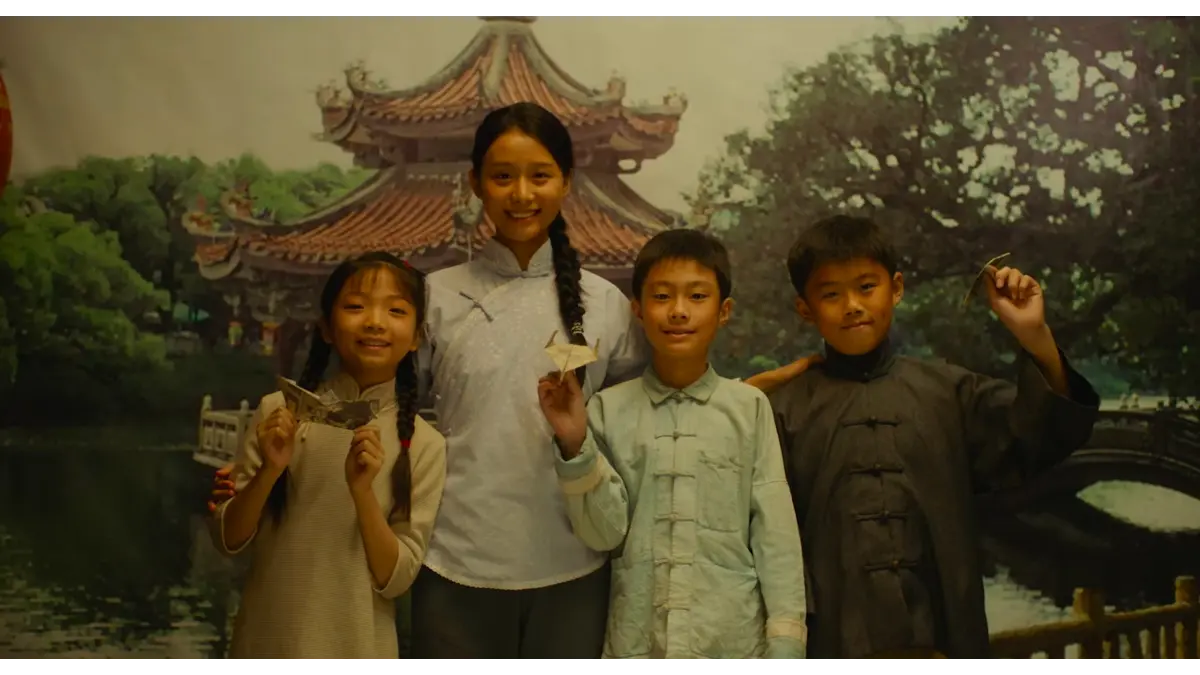
Dear You
Verdict: A sincere, moving story of family sacrifice and hidden devotion that lands softly but stays with you. Worth watching if you appreciate thoughtful dramas rooted in real cultural history.
Pros:
- Natural, understated performances that feel lived-in
- Emotional storytelling that builds without force
- Authentic look at overseas Chinese family bonds and history
Cons:
- Occasional sentimentality that some may find heavy
- Deliberate pacing that won’t suit every viewer
About Dear You 2026
| Detail | Information |
|---|---|
| Title | Dear You |
| Directed by | Lan Hongchun |
| Written by | Lan Hongchun, Zheng Xuanxuan, Yang Leng, Zhu Liyun |
| Produced by | Yei-Heng Ding, Xie Ying and others |
| Cast | Li Sitong, Wang Yantong, Wu Shaoqing, Zheng Runqi, Wang Xiaohui, Usha Seamkhum |
| Cinematography | Tao Hai |
| Music by | Yihan Li, Zehua Wu, Leng Yang |
| Production Companies | Damai Entertainment, King Ant Pictures, Shenzhen Yuguang Film and others |
| Release Date | 4 September 2026 |
| Country | China |
| Language | Teochew (primary), Mandarin, Thai |
| Genre | Drama, Family |
| Censor Rating | PG-13 |
Dear You arrived in North American theaters on 4 September 2026 after becoming a major word-of-mouth success in China earlier in the year.
Directed by Lan Hongchun, the film tells a multi generational story centered on family letters, migration, and quiet acts of care. It stars mostly newcomers, including Li Sitong and Wang Yantong, and has drawn strong responses from viewers who connect with its focus on everyday sacrifice.
The story follows a young man in debt who travels to Thailand hoping to find the grandfather he believes abandoned the family decades earlier. What he uncovers instead is a long history of letters and support that reveals a different kind of devotion.
The film moves between the present and the mid-20th century without relying on big twists, letting the personal details carry the weight.
Early audience reactions on platforms like X, along with discussions from earlier international screenings, have been largely positive and often emotional.
Many viewers highlight the natural performances, especially from Li Sitong as the young woman at the center of the past story and Wang Yantong in the parallel role.
People frequently mention leaving theaters moved or in tears, praising how the film captures the quiet strength of family bonds and the real history of overseas Chinese communities through the tradition of qiaopi letters.
Some note the cultural authenticity and the way the story feels personal even for those outside the Teochew diaspora. Common points of praise include the restrained direction and the way smaller moments land harder than expected.
A portion of viewers find the tone a bit too sentimental at times or feel the non-professional cast shows in places, though most still call the overall effect sincere rather than forced.
Sentiment overall leans positive, with many recommending it as a film that rewards patience and stays with you after the credits. Viewers who enjoy character-driven family dramas, stories about migration and belonging, or films that prioritize emotion over spectacle will likely connect with it most.
Its strengths lie in the honest performances and the respectful handling of its themes. The slower rhythm and occasional emotional cues may not work for everyone, and those seeking faster pacing or more dramatic fireworks might prefer to wait for a quieter home viewing.
For many, though, seeing it on the big screen enhances the impact of the quieter scenes and the shared experience of the story’s more affecting moments.
Disclaimer: This review is based on publicly available audience reactions and discussions on X at the time of writing. Individual opinions may vary.