Gowrishankar SRG, Sona Ladwa, Sabby Suri, Bala Rajwadi, Prakash Thuminad, Dr N. Narasimha Murthy
Release Date
September 25, 2026
Verdict: A relevant political drama that captures public frustration with corruption and governance. It works best for those who enjoy message-driven stories with grounded performances, though it stays simple rather than complex.
Pros:
Strong lead performance that feels sincere and relatable
Timely theme rooted in everyday citizen anger
Music and supporting roles add emotional weight
Cons:
Some subplots feel explanatory and slow the pace
Straightforward approach may feel basic for viewers seeking sharper political thrills
About Common Man 2026
Detail
Information
Title
Common Man
Directed by
Om Sai Prakash
Written by
Dr N. Narasimha Murthy
Produced by
Dr N. Narasimha Murthy
Cast
Gowrishankar SRG, Sona Ladwa, Sabby Suri, Bala Rajwadi, Prakash Thuminad, Dr N. Narasimha Murthy
Cinematography
V.K. Kumar
Music by
Vinayy Chandraa
Production Companies
Surabhi Films
Release Date
25 September 2026
Country
India
Language
Kannada, Hindi
Genre
Political Drama, Action, Comedy
Censor Rating
UA16+
Common Man hit theatres on 25 September 2026 as a bilingual political drama from veteran director Om Sai Prakash. The film follows an ordinary citizen who suddenly finds himself in a position of power and tries to fix the problems ordinary people face every day. Early audience chatter on social platforms and initial reactions point to a film that connects with viewers tired of the same old political talk.
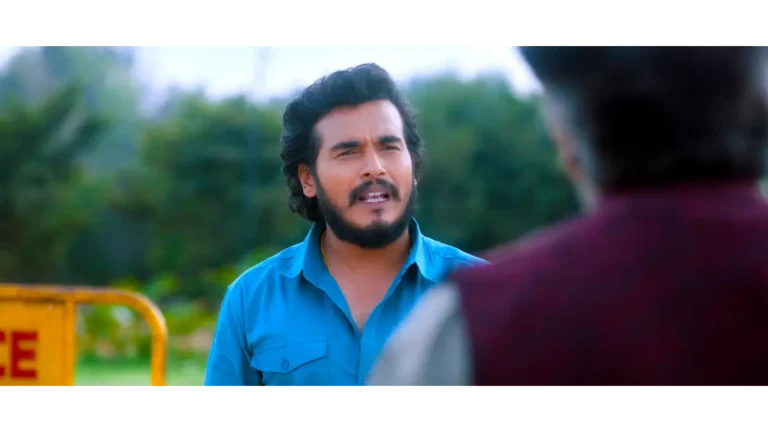
Many note that it feels familiar, almost like watching television debates come to life on screen. Gowrishankar SRG’s performance as the central character has drawn particular attention for staying grounded and sincere. The story centres on a lawyer carrying personal loss and public anger.
Through a series of unexpected events involving political superstition and power games, he ends up as Chief Minister without fighting an election. Once in the chair, he begins addressing issues that affect common people potholed roads, commissions, and the distance between leaders and citizens.
The film keeps the plot simple and direct, focusing more on the wish-fulfilment of an ordinary man trying to change the system than on intricate political manoeuvres. On X and other platforms, early reactions praise the film’s relevance and the lead actor’s ability to carry long speeches about rights and justice without sounding forced.
Viewers have highlighted Sona Ladwa’s presence and the comic touches from supporting actors in political scenes. Music, especially tracks that echo street-level energy, has also been mentioned positively. At the same time, some notes of caution appear about certain subplots that lean heavily on explanation and feel less tight.
Overall sentiment so far is mixed-to-positive, with many calling it a film that speaks the language of the average viewer rather than aiming for complexity. Those who enjoy stories about ordinary people challenging the system, or who prefer political dramas with a clear message over layered thrillers, will likely find it engaging.
Its strengths lie in the sincerity of the central performance and the way it mirrors real public frustration. Weaknesses show up in the occasionally basic storytelling and slower stretches. For theatre-goers interested in message-oriented Kannada cinema, it is worth a watch on the big screen. Others may prefer waiting for streaming if they seek tighter, more sophisticated political narratives.
Disclaimer: This review is based on publicly available audience reactions and discussions on X at the time of writing. Individual opinions may vary.
Kadir is a box office reporter and film analyst from Hojai, Assam, and the founder of Tenvow.com. Since 2015, he has been into box office reporting. With a focus on box office collections, OTT trends, and movie analysis, Kadir delivers accurate, data driven insights into the business of films.