4 Rivers 6 Ranges Chushi Gangdruk
Verdict: A moving, well-acted account of Tibetan history that leaves a strong emotional impact, even though its slow pacing and uneven Hindi dubbing hold it back from being a complete theatrical experience.
Pros:
- Powerful, restrained performances, especially from the lead cast
- Handles a heavy historical subject with honesty instead of over-dramatizing it
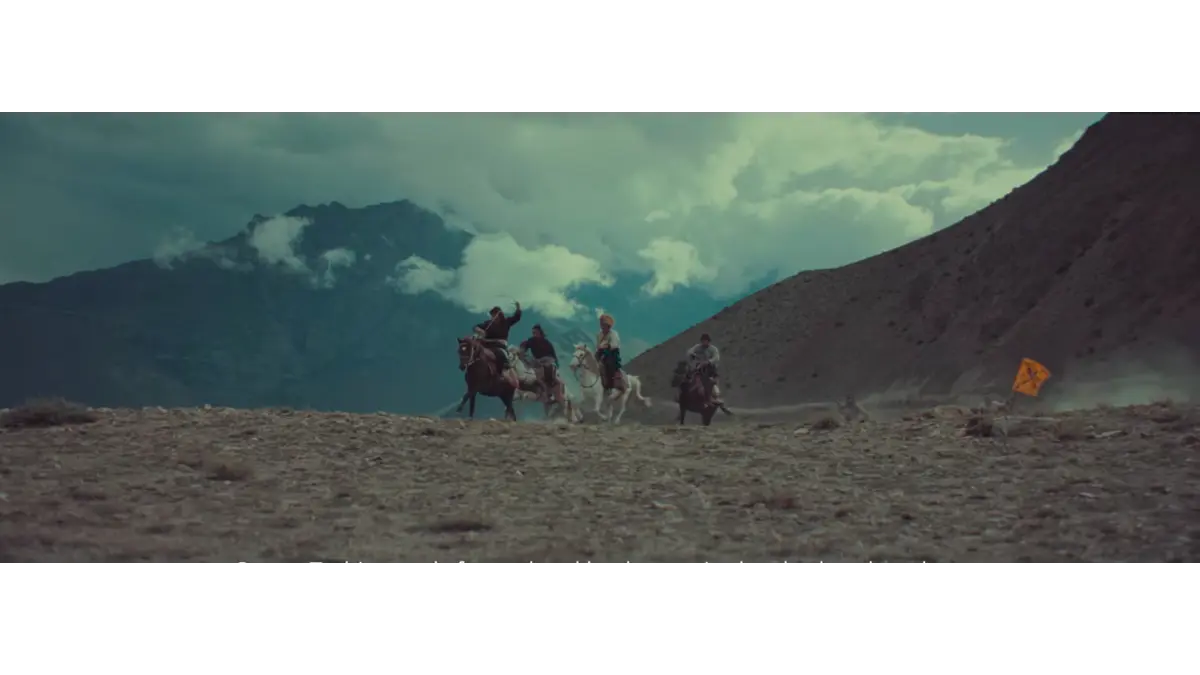
- Visually striking, with the Himalayan landscape used effectively
Cons:
- Slow pacing in the middle stretch may test patience
- Hindi dubbing feels clunky in several dialogue-heavy scenes
About 4 Rivers 6 Ranges Chushi Gangdruk (2026)
| Detail | Info |
|---|---|
| Title | 4 Rivers 6 Ranges Chushi Gangdruk |
| Directed by | Shenpenn Khymsar |
| Written by | Shenpenn Khymsar |
| Produced by | Dorjee Wangdi Dewatshang |
| Cast | Tenzin Dhondup, Thupten Chukhatsang, Tashi Kalden, Robert Lin, Tenzin Jigmey |
| Music by | Shenpenn Khymsar, Rohit Shakya |
| Release Date | 18 September 2026 |
| Country | India / Tibetan diaspora production |
| Language | Hindi (dubbed) |
| Genre | Historical, Drama, Action |
| Censor Rating | UA13+ |
| Runtime | 2h 9m |
4 Rivers 6 Ranges Chushi Gangdruk finally arrived in Indian theatres on 18 September 2026, after a long festival journey that began with its premiere at the International Film Festival Rotterdam. Directed by Tibetan filmmaker Shenpenn Khymsar, the film recreates the story of the Chushi Gangdruk resistance and the 1959 escape of the 14th Dalai Lama to India.
The movie has been in the news for reasons beyond cinema too, with Chinese state media criticising the film even before its India release. That controversy, along with support from names like Nawazuddin Siddiqui (who did the Hindi voiceover) and Richard Gere, has kept the film in conversation on social media in the days leading up to its release.
Made largely with a Tibetan cast and crew, the film carries a personal weight that comes through clearly on screen, and that authenticity has been a major talking point among early viewers. The story follows a group of ordinary Tibetans who form the Chushi Gangdruk resistance after Chinese forces tighten their grip on Tibet in the late 1950s.
Led by Commander Gonpo Tashi, the group takes up arms while grappling with the conflict between violence and their Buddhist beliefs. As the situation in Lhasa worsens, their mission shifts to something far more urgent: safely escorting the young Dalai Lama across the Himalayas into India.
The film moves between quiet, tense council scenes and sudden bursts of conflict, building towards the dangerous mountain journey at its centre. Audience reactions shared on X and other platforms have been largely appreciative, though not without complaints.
Many viewers have praised the performances, particularly Thupten Chukhatsang as Kunga Samten, calling his portrayal grounded and emotionally honest. Tenzin Dhondup’s turn as the resistance leader has also drawn praise for its intensity. A fair number of posts mention Robert Lin’s antagonist as unexpectedly memorable, giving the film a sense of menace whenever he appears.
On the flip side, a recurring complaint is the film’s pace, with several viewers on X and BookMyShow saying the middle portion drags and could have been tightened. The Hindi dubbing has also come in for criticism, with some calling it stiff compared to the film’s original version.
A section of the audience feels the film demands patience and works better for those genuinely interested in Tibetan history rather than viewers looking for a fast-paced action drama. Overall, the sentiment leans positive, especially among audiences who value the film’s subject matter and craft, while general moviegoers have been more divided, with the slow build being the most common sticking point.
This film will likely resonate most with those interested in history, resistance movements, or the Tibet-China conflict, and less with audiences expecting a conventional action entertainer. Its strengths lie in its performances, visual scale, and the sincerity with which it approaches a difficult chapter of history.
Its weaknesses are mainly technical: pacing and dubbing quality. Given its slower rhythm and reflective tone, it may work just as well on a home screen as it does in theatres, though the mountain visuals do benefit from a big screen.
If you’re drawn to historical dramas with substance, it’s worth watching. If you prefer fast, punchy storytelling, you may want to manage your expectations.
Disclaimer: This review is based on publicly available audience reactions and discussions on X at the time of writing. Individual opinions may vary.
