Gaman
Verdict: Gaman is a sincere, slow-burn family drama that captures the quiet ache of leaving home and adjusting to city life. It works best for viewers who prefer emotional realism over fast entertainment.
Pros:
- Strong, natural performances by the lead actors
- Honest portrayal of rural-urban emotional gaps
- Warm moments of unexpected bonding
Cons:
- Slow pacing that feels dry in places
- Familiar story without fresh twists
About Gaman 2026
| Detail | Information |
|---|---|
| Title | Gaman |
| Directed by | Manoj Naiksatam |
| Written by | Manoj Naiksatam |
| Produced by | Manasi Naiksatam |
| Cast | Narayan Jadhav, Shraddha Khanolkar, Harshika Melekar, Sachin Valunju, Dipak Kumar |
| Cinematography | Shailesh Tambe |
| Music by | Prashant Kamble |
| Production Companies | Naiksatam Arts |
| Release Date | 2 October 2026 |
| Country | India |
| Language | Marathi |
| Genre | Drama, Family |
| Censor Rating | UA13+ |
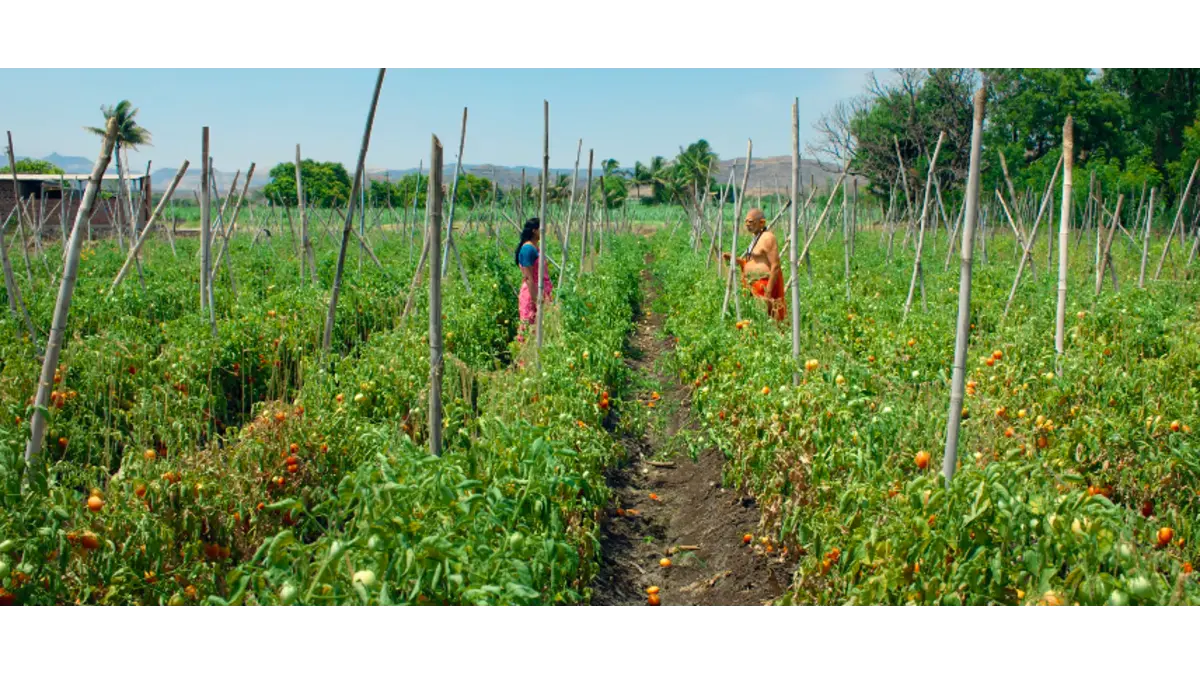
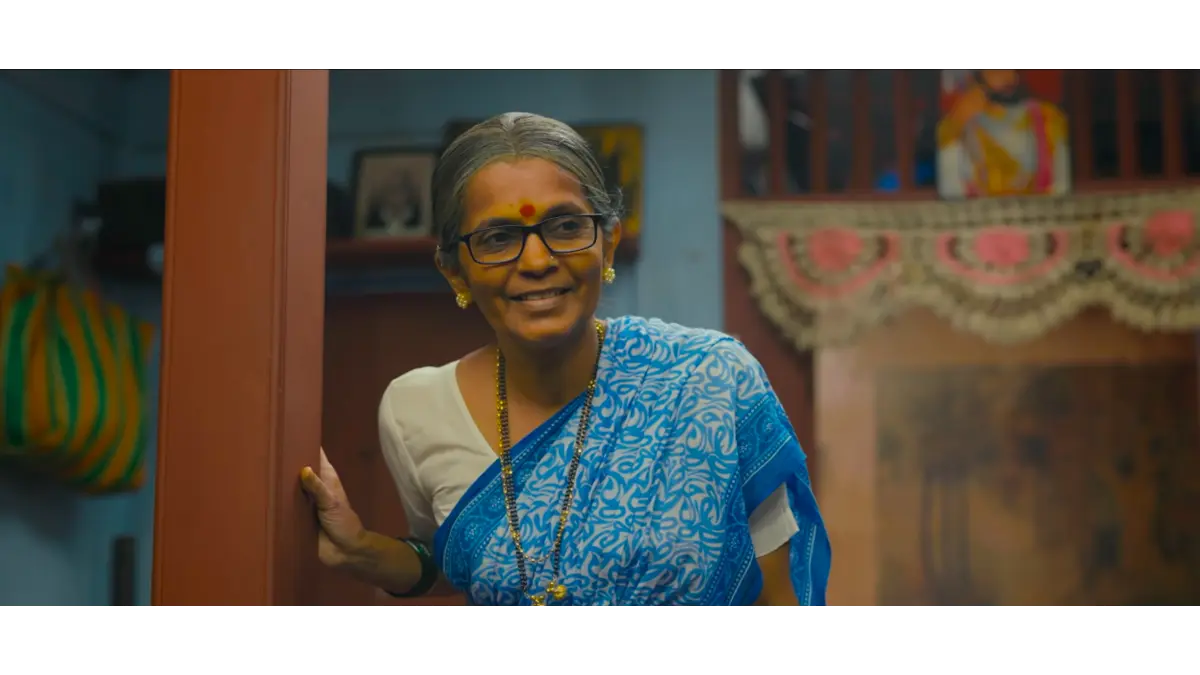
Gaman arrived in theatres on 2 October 2026 as a small-scale Marathi release. Directed and written by Manoj Naiksatam, it tells a simple story of movement, longing, and the quiet distance that grows between village roots and city lives. The film follows an elderly couple from the Konkan region who travel to Mumbai for medical reasons and stay with their settled sons. They find the fast pace of the city hard to handle and miss their village home.
At the same time, two young siblings displaced by floods in Uttar Pradesh arrive in the city looking for work. Their paths cross, and a temporary bond forms that fills an emotional gap for a while. The story stays grounded and avoids big dramatic turns. It focuses on everyday struggles, cultural shifts, and the feeling of not fully belonging either in the village or the city.
The tone is gentle and observational rather than intense. Early audience talk on platforms like X and elsewhere has been limited, matching the film’s modest publicity and opening. Those who connected with it praised the natural acting, especially Narayan Jadhav and Shraddha Khanolkar as the elderly couple. Viewers noted the sincere emotional moments and the realistic look at how elders struggle when their children move away.
The bond with the migrant siblings also drew positive comments for feeling warm and unforced. Common feedback points to the slow pace. Some found stretches dry or predictable, saying the story covers ground that feels familiar. Music was described as ordinary and the overall narration more suited to patient viewers than mass audiences. Festival screenings earlier in the year, including at the Pune International Film Festival, had highlighted its thoughtful take on migration, but theatrical response remained quiet.
People who enjoy quiet Marathi dramas about real family emotions and rural-urban life will likely find value here. The performances hold attention even when the story moves slowly. Those looking for sharp twists, strong music, or faster entertainment may feel the runtime drags. It is worth a theatre watch if you appreciate understated storytelling and strong character work. For others, waiting for a streaming release makes more sense, especially given the limited screens and publicity.
Disclaimer: This review is based on publicly available audience reactions and discussions on X at the time of writing. Individual opinions may vary.