Legend of the White Dragon
Verdict: A sincere independent superhero effort that works best as a tribute to its late lead, though technical and storytelling limits keep it from rising higher.
Pros:
• Jason David Frank’s committed performance carries emotional weight
• Some energetic fight sequences and martial arts moments
• Meaningful post-credits footage that resonates with fans
Cons:
• Clunky dialogue, heavy exposition, and repetitive flashbacks slow the pace
• Low-budget effects and uneven action hold back the spectacle
About Legend of the White Dragon 2026
| Detail | Information |
|---|---|
| Title | Legend of the White Dragon |
| Directed by | Aaron Schoenke, Sean Schoenke |
| Written by | Alex Kellerman, Aaron Schoenke |
| Produced by | Chris Jay, Aaron Schoenke, Sean Schoenke, Jason David Frank, Ben Dukes |
| Cast | Jason David Frank, Aaron Schoenke, Jason Faunt, Rachele Brooke Smith, Michael Madsen, Andrew Bachelor, David Ramsey, Mark Dacascos |
| Cinematography | Aric Abraham |
| Music by | Sean Schoenke |
| Production Companies | Bat in the Sun Productions |
| Release Date | August 28, 2026 |
| Country | United States |
| Language | English |
| Genre | Action, Adventure, Fantasy, Sci-Fi |
| Censor Rating | R (Some Violence) |
Legend of the White Dragon finally arrived in limited U.S. theaters on August 28, 2026, after years of delays. The independent superhero film marks one of the final screen appearances of Jason David Frank, best known as Tommy Oliver from Power Rangers. It also features other familiar faces from the franchise alongside Michael Madsen and Mark Dacascos.
The movie follows a familiar heroic arc with a grittier edge. Audience response has been mixed but passionate, especially among longtime fans who waited through Kickstarter campaigns, pandemic setbacks, and further postponements to see it on the big screen.
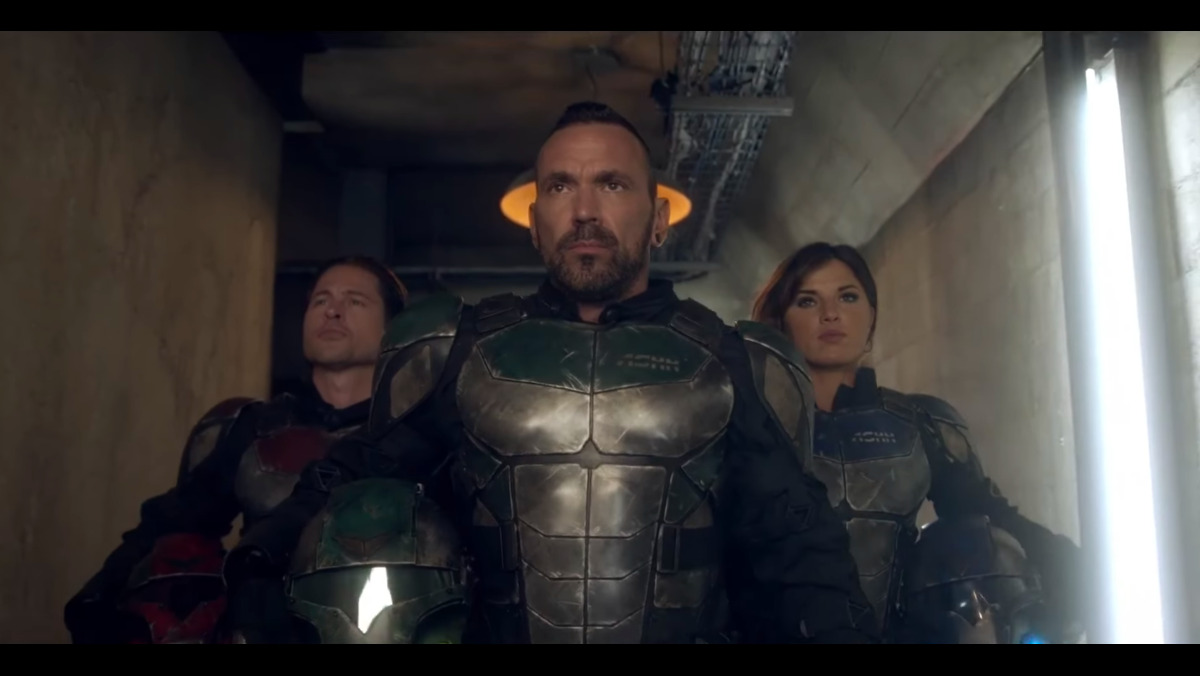
Three years after a catastrophic battle that left a city in ruins and turned its protectors into fugitives, Erik Reed (Frank) lives in the shadows as the White Dragon. He wants to clear his name and return to the family he has kept secret. A new threat, the vengeful Dragon Prime, stands in his way and will stop at nothing to end the White Dragon for good.
The story stays straightforward without major twists, focusing on redemption, family, and one last stand. On X and other platforms, reactions quickly split into two camps. Many Power Rangers fans and those who followed Frank’s career called it a touching tribute.
They praised his screen presence, the fight choreography in key moments, and especially the behind-the-scenes footage that plays after the credits, which left some viewers emotional. Several described the experience as bittersweet and said simply seeing Frank in this type of role one more time made the ticket worthwhile.
Others noted solid energy in the action sequences and appreciated the independent spirit. Common complaints focused on the writing and production limits. Viewers pointed to awkward dialogue, too many flashbacks that interrupt the flow, and action that sometimes feels stiff or under-resourced.
A number of posts compared it unfavorably to bigger studio superhero films or called the overall package rough around the edges. Letterboxd and early audience notes on Rotten Tomatoes reflect the same divide: high marks from those watching for nostalgia and connection, lower scores from those expecting tighter storytelling or stronger effects.
The film will most appeal to viewers who grew up with Power Rangers or who simply want to support Frank’s final lead performance. Its strengths lie in sincerity and the lead’s commitment rather than polished spectacle. Weaknesses in pacing, dialogue, and visual effects are hard to ignore and keep it from broader appeal.
For dedicated fans, a theater visit makes sense while it is still playing in limited engagements—the communal energy and post-credits material add something streaming will not fully capture. Casual viewers may prefer waiting for a digital or home release, where expectations can be adjusted more easily.
Disclaimer: This review is based on publicly available audience reactions and discussions on X at the time of writing. Individual opinions may vary.