Nawmai: The Wancho Warrior
Verdict: Nawmai: The Wancho Warrior is a heartfelt attempt to bring an indigenous Northeast Indian story to the big screen, and it mostly succeeds on sincerity and setting even when the filmmaking itself feels uneven.
Pros:
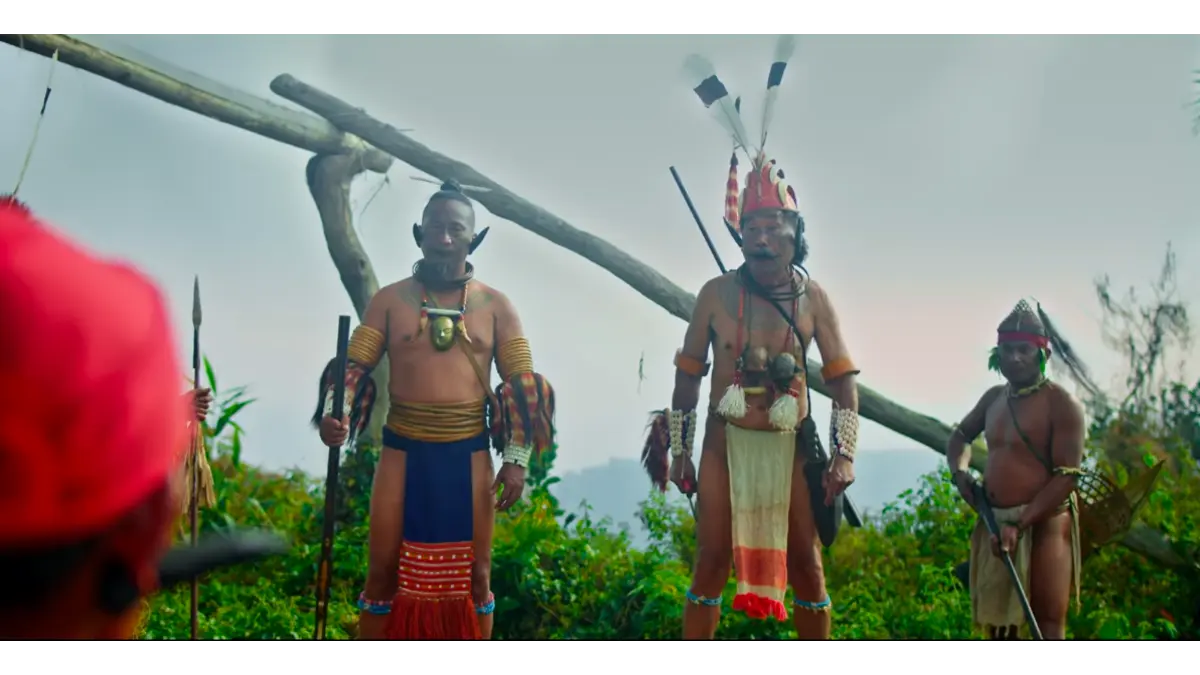
- Authentic showcase of Wancho tribal culture, costumes, and traditions rarely seen in mainstream cinema
- Scenic Patkai Hills locations that add real visual texture
- A genuinely personal passion project, years in the making
Cons:
- Pacing drags in parts, especially through the middle stretch
- Limited budget shows in some action and technical sequences
About Nawmai: The Wancho Warrior (2026)
| Detail | Information |
|---|---|
| Title | Nawmai: The Wancho Warrior |
| Directed by | Jovi Wangjin Wangsha |
| Written by | Jovi Wangjin Wangsha |
| Produced by | Jovi Wangjin Wangsha |
| Cast | Powang Wangsa, Lemngam Atraham, Dharm Dingwang Wangham, Taichat Wangnowham |
| Cinematography | Ripunjoy Nirmolia, Papu Ali |
| Music by | Siddanta Sagar |
| Production Companies | Kanu Film Productions |
| Release Date | 18 September 2026 |
| Country | India |
| Language | Hindi |
| Genre | Action, War |
| Censor Rating | UA 13+ |
Set in the Patkai Hills of Longding district, the film follows a land dispute between two villages that spirals into a full blown conflict, the kind of tribal warfare that was once common in the region’s history.
Woven into this larger conflict is a love story between a prince and princess from the two rival villages, whose relationship is tested by loyalty, family, and war.
It is a fairly classic star crossed lovers amid conflict template, but the setting and cultural backdrop give it a fresh feel that most Hindi films don’t attempt.
Since this is a limited, regional release, wide-scale social media chatter on X and other platforms is still building up rather than flooding in. But the conversation that does exist, largely from Northeast India-focused pages, fan communities, and local audiences, leans toward genuine appreciation for the effort and representation the film brings.
Several viewers have pointed out how rare it is to see Wancho traditions, attire, and folklore depicted on screen with this much detail, and that authenticity seems to be the film’s biggest talking point.
There is also warmth toward the cast, particularly the leads playing the prince and princess, for carrying the emotional core of the story. On the flip side, some of the criticism echoes what independent films with modest budgets often face: uneven pacing, a middle portion that feels stretched, and action sequences that don’t always match the scale the story is going for.
A few viewers have also noted that the film feels more like a labour of love than a polished commercial product, which works in its favour and against it depending on what the viewer walks in expecting. Overall, the sentiment so far is mixed but respectful, more of a “give it a chance for what it represents” reaction than an outright rave or dismissal.
Disclaimer: This review is based on publicly available audience reactions and discussions on X at the time of writing. Individual opinions may vary.
